Knee Arthroscopy for Meniscus Tear

Dr. Arvind Sharma Orthopaedic Surgeon Delhi
a

Services

Add your services content here.

About

Add your about section here.

Contact

Add your contact details here.

Knee Arthroscopy Knee Arthroscopy Knee Arthroscopy Knee Arthroscopy
Restoring Knee Stability and Strength

ACL reconstruction is a surgical procedure to repair a torn anterior cruciate ligament (ACL), which stabilizes the knee joint. This injury is common among athletes and individuals in high-impact activities. The surgery replaces the damaged ligament with a tissue graft, restoring knee strength and mobility.

ACL Surgery & Recovery

The procedure is typically done arthroscopically, making it minimally invasive with quicker recovery. Rehabilitation is essential, including physiotherapy and strength training to restore knee function. Choosing an experienced specialist helps ensure better outcomes.

Top ACL Surgeons in Delhi

If you're looking for the best ACL surgeon in Delhi, youโ€™ll find top orthopedic experts specializing in ACL reconstruction using advanced techniques. Leading hospitals and sports injury clinics in Delhi offer world-class medical care, ensuring precision, safety, and long-term success.

Dr. Arvind Sharma โ€“ Orthopaedic Surgeon Delhi

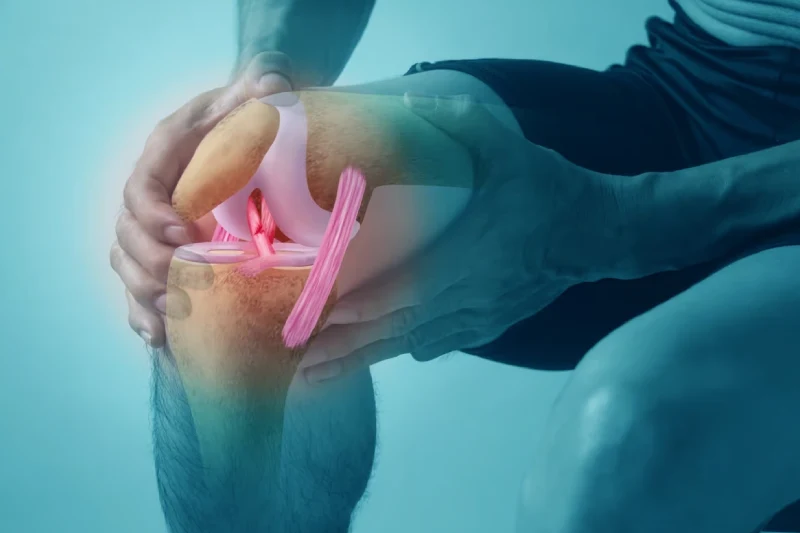
Knee joint is supported by four ligaments which are needed for its stability. These ligaments are ACL & PCL which are centrally placed and MCL, LCL which are peripherally placed. ACL is the most commonly injured ligament of the knee joint. This injury is commonly seen in young active individuals either during sports or road accidents. The patient frequently complains of instability, pain in the affected knee and is unable to pursue sports or sometimes even activities of daily living.

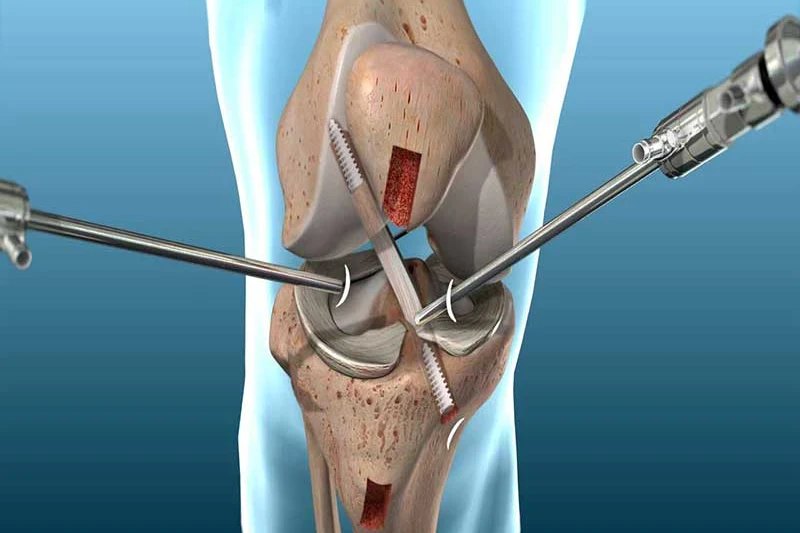
ACL injury is managed by arthroscopy where small keyhole incision are made through which ACL ligament is reconstructed. This is very precise technique with minimal tissue trauma. Hence recovery is quite fast with very less pain. Once the ligament heals patient is allowed all activities without any restrictions.

Dr. Arvind Sharma โ€“ Orthopaedic Surgeon Delhi

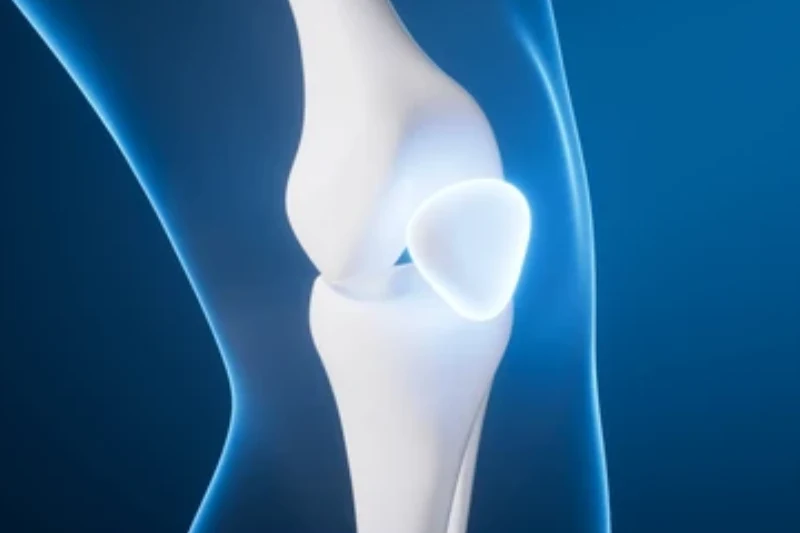
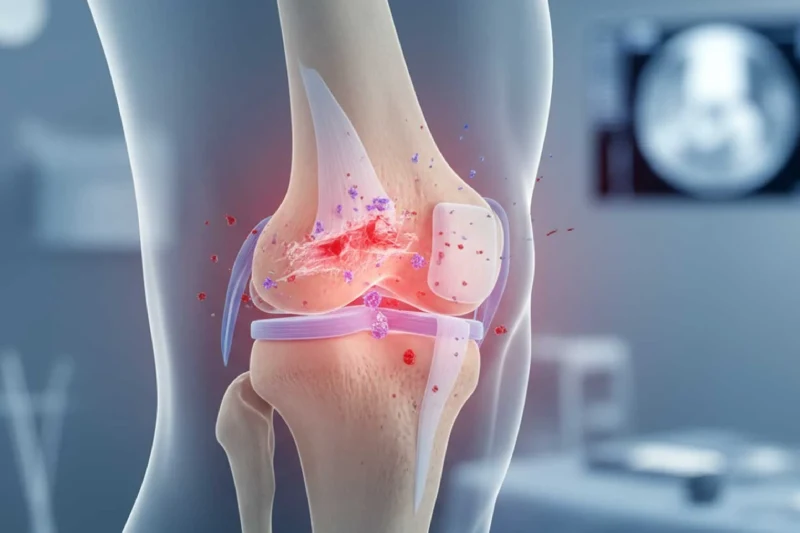
The knee is the largest joint in the body, and one of the most easily injured. It is made up of the lower end of the thigh bone(femur), the upper end of the shin bone (tibia), and the knee cap (patella), which slides in a groove on the end of the femur. Four bands of tissue, the anterior and posterior cruciate ligaments, and the medial and lateral collateral ligaments connect the femur and the tibia and provide joint stability. The surfaces where the femur, tibia and patella touch are covered with articular cartilage, a smooth substance that cushions the bones and enables them to glide freely. Semicircular rings of tough fibrous-cartilage tissue called the lateral and medial menisci act as shock absorbers and stabilizers.

ACL along with other ligaments of the knee joint and meniscus provides stability to the knee joint.

Dr. Arvind Sharma โ€“ Orthopaedic Surgeon Delhi

Ligament reconstruction involves replacing the torn ligament with a tendon (graft) from your knee and fixing the graft in place with screws. This procedure is performed with the use of the arthroscope. The anterior cruciate ligament (ACL) is the most common ligament requiring reconstruction procedures. The torn ligament is excised arthroscopically and new ligament is prepared by ligament grafts taken from your own body. Bony tunnels are prepared in femur and tibia using specialized instruments through which the new ligament is passed and fixed with special screws. This procedure requires relative rest or leave from your work or studies for about 2-3 weeks after which you will be allowed normal day to day activities.

The patient can walk from the same evening of the surgery. Initially the patient is advised to walk with a brace and a walking cane. Strengthening and range of motion exercises for the knee are started from the next day. The patient is discharged from the hospital 2nd or 3rd day after surgery. The patient can walk without support by 10-14 days depending on muscle strengthening. Slow Jogging and other strenuous activities are permitted after 3 months and the patient can return to active sports only 8-9 months after surgery..

Dr. Arvind Sharma โ€“ Orthopaedic Surgeon Delhi

What Our Patients Say

Real experiences from real patients โ€” their journeys from pain to freedom.

Ready to Live Pain-Free?

Book a consultation today โ€” and take the first step toward a better quality of life.

Call Now WhatsApp