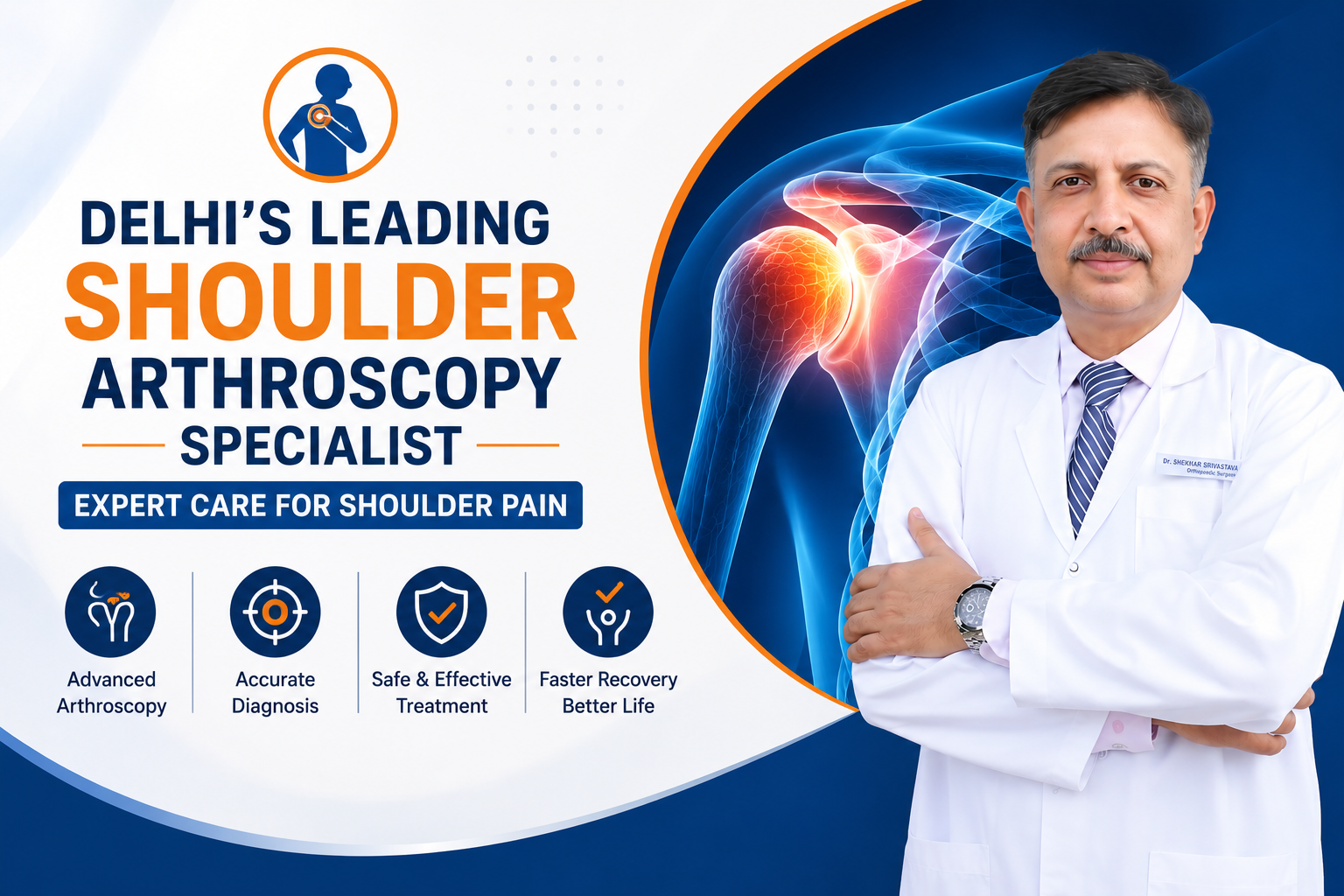
Shoulder pain and limited mobility can significantly impact daily activities, sports performance, and overall quality of life. The shoulder is one of the most mobile joints in the body, making it particularly vulnerable to injuries, instability, and degenerative conditions. Fortunately, advancements in orthopedic surgery have introduced minimally invasive techniques that offer effective diagnosis and treatment with faster recovery times.
One of the most widely used procedures for shoulder conditions is shoulder arthroscopy. This advanced surgical technique allows orthopedic surgeons to diagnose and treat a variety of shoulder injuries and joint disorders through small incisions using specialized instruments and a tiny camera. This guide explains shoulder arthroscopy, its benefits, common conditions treated, and what patients can expect during recovery.
Shoulder arthroscopy is a minimally invasive surgical procedure used to examine, diagnose, and treat problems within the shoulder joint. During the procedure, a small camera called an arthroscope is inserted through a tiny incision, allowing the surgeon to view the inside of the joint on a monitor.
Specialized surgical instruments can then be used through additional small incisions to repair damaged tissues, remove inflamed structures, or correct joint abnormalities.
Compared to traditional open surgery, shoulder arthroscopy typically involves less tissue damage, smaller scars, and a quicker recovery process.
The rotator cuff consists of muscles and tendons that stabilize the shoulder and enable arm movement. Tears can occur due to injury, repetitive overhead activities, or age-related degeneration.
Common symptoms include:
Arthroscopic surgery can repair torn tendons and restore shoulder function.
Shoulder impingement occurs when tendons become compressed between shoulder structures during movement.
Symptoms may include:
Arthroscopy can help relieve pressure and reduce inflammation within the joint.
The labrum is a ring of cartilage that helps stabilize the shoulder joint. Sports injuries, trauma, or repetitive movements can cause labral tears.
Common signs include:
Arthroscopic techniques allow surgeons to repair damaged cartilage and improve joint stability.
Repeated shoulder dislocations can damage ligaments and soft tissues, leading to chronic instability.
Arthroscopic stabilization procedures can repair these structures and help prevent future dislocations.
Because the procedure uses small incisions, there is less disruption to surrounding muscles and tissues compared to traditional open surgery.
Smaller incisions generally result in less postoperative discomfort and minimal scarring.
Many patients experience quicker rehabilitation and an earlier return to daily activities and sports.
The arthroscope provides a detailed view of the shoulder joint, allowing surgeons to identify and treat problems with precision.
Athletes frequently experience shoulder injuries due to repetitive movements, contact sports, or sudden trauma.
Common sports-related conditions treated arthroscopically include:
Early diagnosis and treatment can help athletes return to their sport safely and effectively.
Before surgery, the orthopedic specialist conducts a thorough assessment, including:
These evaluations help determine the extent of the injury and guide treatment planning.
The procedure is typically performed under general anesthesia or regional anesthesia.
The surgeon:
Most arthroscopic procedures are completed within a few hours, depending on the complexity of the condition.
Patients are usually discharged on the same day or after a short observation period.
Postoperative care may include:
Following rehabilitation instructions is essential for optimal recovery.
Recovery time varies depending on the specific condition treated and the extent of the repair.
During the initial weeks, patients focus on:
A structured rehabilitation program helps restore:
Many patients can gradually resume daily activities within a few weeks, while athletes may require several months before returning to competitive sports.
Consistent physiotherapy plays a crucial role in achieving successful long-term outcomes.
You may benefit from shoulder arthroscopy if you experience:
When non-surgical treatments such as medications, physiotherapy, and activity modification fail to provide relief, arthroscopic surgery may be recommended.
In addition to sports injuries, shoulder arthroscopy is highly effective for treating various joint disorders, including:
Modern arthroscopic techniques continue to evolve, offering patients safer procedures and improved outcomes.
Shoulder arthroscopy has revolutionized the treatment of sports injuries and joint disorders by providing a minimally invasive, highly effective solution for a wide range of shoulder conditions. With smaller incisions, reduced pain, faster recovery, and precise treatment capabilities, arthroscopy has become a preferred option for both athletes and non-athletes experiencing shoulder problems.
Whether you are dealing with a rotator cuff tear, shoulder instability, labral injury, or chronic joint pain, shoulder arthroscopy can help restore function, relieve discomfort, and improve your quality of life. Consulting an experienced orthopedic specialist is the first step toward determining the most appropriate treatment plan and achieving a successful recovery.